
The Truth About Screen Time and Eye Health
Spoiler: There's a lot (and we mean, a lot) of misinformation out there about blue light lenses, screen time, and eye health.
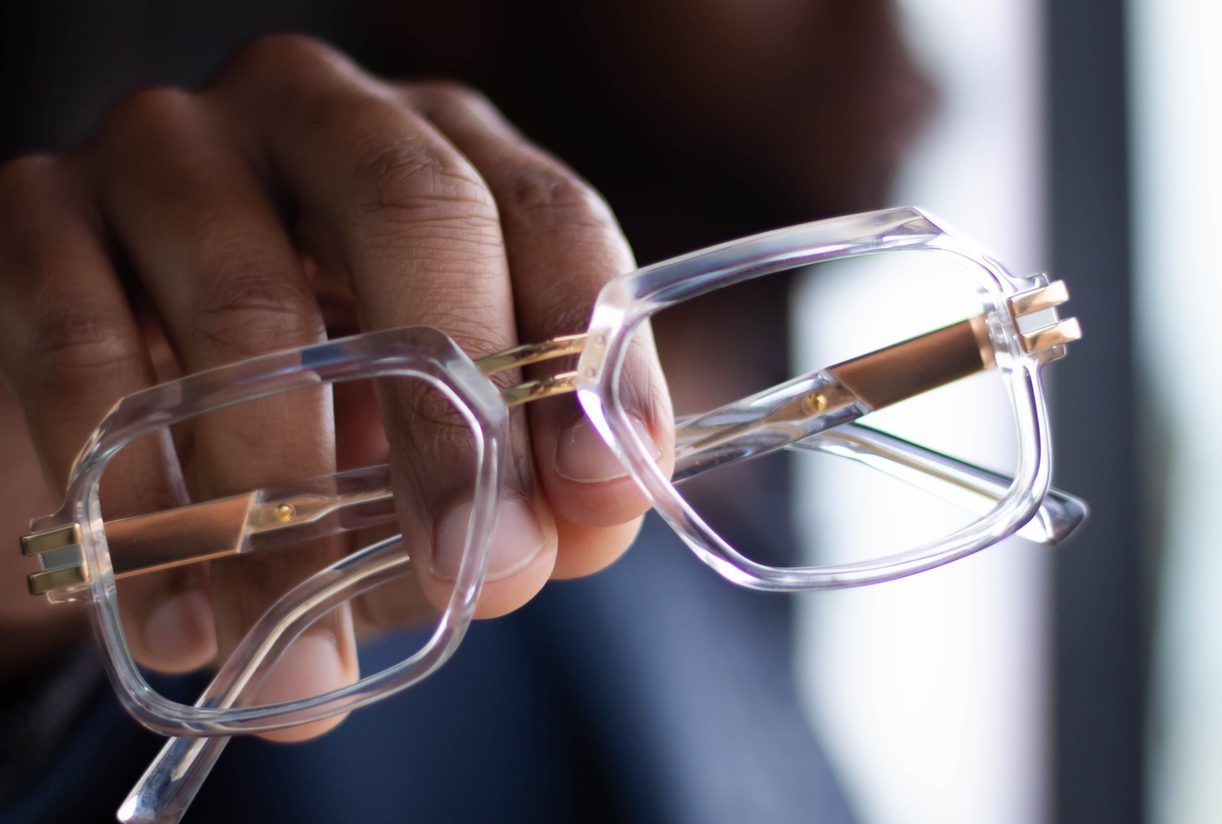
How Helpful Are Blue Light Lenses?
Our answer: It depends. A few factors need to be considered, including how strenuous your screen time is and the type of blue light glasses you use.
The truth is, the average person (not using a computer beyond the normal workday) may not benefit from blue light filters.
In fact, there are lawsuits in the making surrounding blue light protection. One concerns false recommendations from doctors and professionals who overstate the dangers and symptoms of computer use in order to charge extra for blue light filters. Another pertains to a misleading promise from blue light products that do not actually protect the retina from damaging rays. It might be surprising to hear that the most commonly sold blue filters have not been proven to provide relief from strain, headaches, blurriness, and other vague blue light symptoms.
Studies show that normal workday activities (especially those using computers for basic print and text functions) mostly pose little threat to your eyes and your retina. Of course, fatigue can be a symptom of high screen time, and custom-designed computer glasses can help tired eyes tremendously.
However, we see many creatives who spend a large portion of their day working on digital projects, from complex advertisements to graphic design, even video game production. For these individuals, whose time online involves bright colors, dynamic automations, and precise details, screen time can be harmful.
Our Advice: If most of your workday involves calendars and emails, you might not find relief from blue light glasses. If, however, you create colorful (but taxing) digital worlds day after day, we'd recommend looking further into a pair of protective lenses.

Which Blue Light Glasses Actually Work?
As mentioned above, another lawsuit is currently investigating the most common blue light filters used by professionals, which do very little to protect your retina and macula. That's where real damage from real overuse can occur. It also addressed the unproven claims that blue filters reduce uncomfortable screen time symptoms.
CustomEyes owner Gregor Owen has taught seminars for fellow opticians, laying out the facts of blue light and its impact on the retina. Here are the major takeaways:
- Intense HEV light (in the nanometer range above 420-450, for you light geeks out there) can do serious damage to the macula.
- Simple filters offer little protection—usually around 20%.
- Protein-enhanced blue filter lenses are the only ones that can properly filter those high ranges. A good filter blocks at least 32-36% of this intense light.
Our Advice: Ask your doctor what percentage of light the products they recommend filter. If it's around that 20% mark, you're likely wasting time and money on a pair of lenses that won't offer real protection.
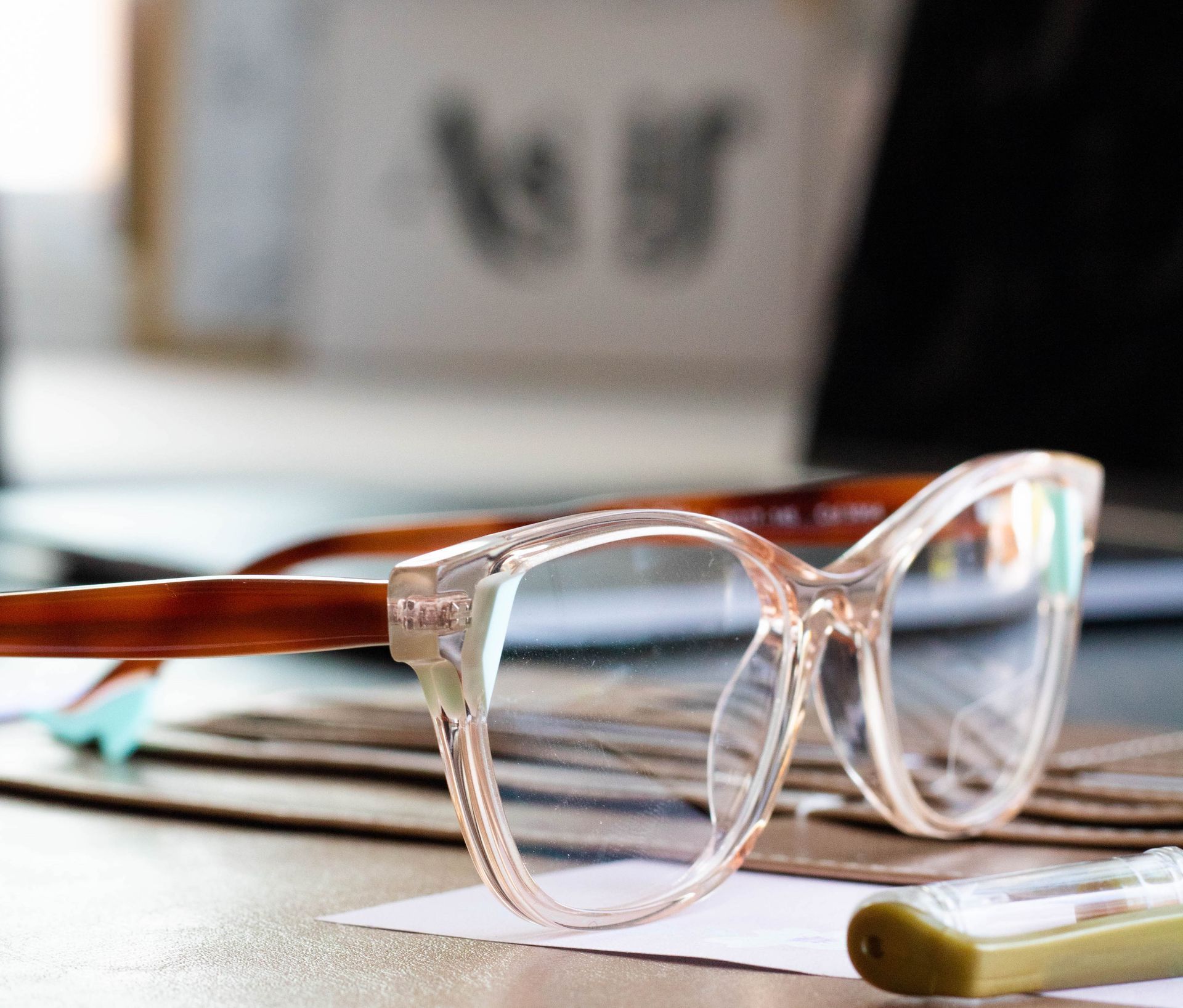
Blue Light Lenses at CustomEyes
CustomEyes only supplies high-quality blue-light-filtering lenses, giving our overworked creative clients real protection against real threats to their retinas.
Our flexible options include blue light filtration added to your prescription, but we usually prefer to employ a specially designed, simple computer focus lens. These eyeglasses can live by your monitor, so you aren't using them in daily activities or disrupting your lifestyle. You can also purchase blue light lenses without a prescription!
If designed properly, this valuable asset can be quite inexpensive, especially for those who work mostly at one distance from their monitor. In other words, if your job does not entail too much fine data entry from your desk to your computer, these can be a huge help.
When you come in, the team will honestly evaluate your lifestyle to find a solution that protects your eyes and matches your needs. Consultations are free and offered in person, so stop by to learn whether blue light lenses are right for you.
Get real, personalized help when you call (910) 399-7200 or reach out via email.